
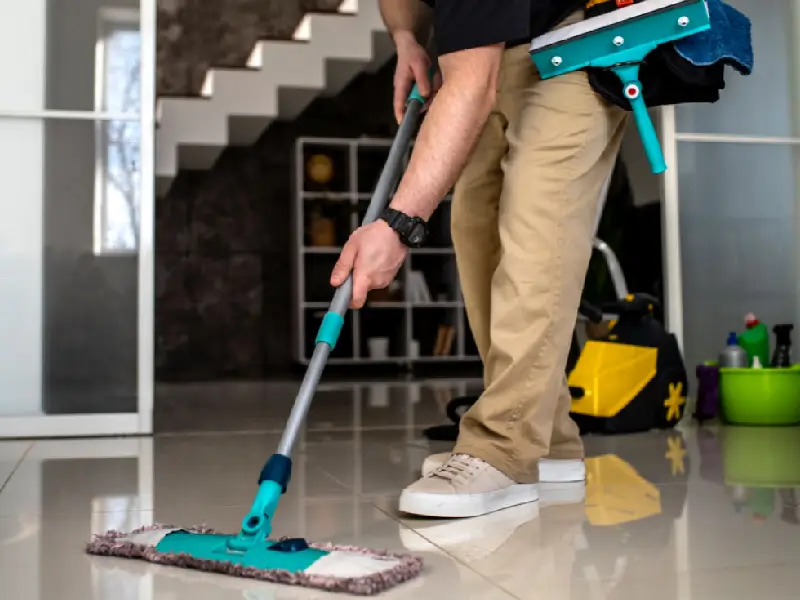
New Zealand schools carry a duty of care that extends well beyond timetables and test results. Classrooms, toilets, gyms and staffrooms are shared by hundreds of people every day, and the cleanliness of these spaces has a direct bearing on student and staff health. This guide sets out what compliant school cleaning actually involves, from the regulatory basics to seasonal deep cleans and outbreak response.
Ministry of Education (MoE) Guidelines and Compliance Requirements
The Ministry of Education does not publish one single cleaning checklist that every school must follow. Instead, state schools operate under the Property Occupancy Document, which sets binding standards for how boards manage and maintain their buildings. Day-to-day hygiene and cleaning obligations then sit under the Health and Safety at Work Act 2015, which requires schools, as PCBUs, to eliminate or minimise health risks to students and staff so far as is reasonably practicable.
Maintaining Healthy Learning Environments for Students and Teaching Staff
Under HSWA, a school’s cleaning programme is a health and safety control, not an afterthought. That means schedules should be documented, tasks assigned to specific people, and high-use areas checked more than once a day. A programme that only responds when something looks dirty will not meet the standard of eliminating or minimising risk before it causes harm.
Audit Preparedness and Meeting Health and Safety at Work Standards
WorkSafe inspectors and board audits both seek evidence, not intentions. Keep dated cleaning schedules, sign-off sheets, and chemical safety data sheets on file, and ensure relief and contract cleaners follow the same documented process as permanent staff. Consistent records are what turn a good routine into a defensible one.
Critical Focus Areas for Educational Facility Hygiene
High-Touch Surface Sanitisation: Desktops, Door Handles, and Tech Devices
Desks, door handles, light switches, shared laptops, and tablets pass through dozens of hands a day. Health NZ’s cleaning and sanitising guidance sets out a 2-step process for these surfaces: clean first to remove visible dirt, then sanitise, since built-up grime can protect germs from a sanitiser applied on its own. High-touch points should be scheduled for attention at least once daily, with extra passes during winter.
Restroom Hygiene Protocols and Cross-Contamination Prevention
Toilets, taps, and cubicle doors need to be cleaned and disinfected multiple times throughout the school day, not just at the end of the day. Colour-coded cloths and mops for restrooms versus classrooms help prevent cross-contamination between areas, and soap and paper towel levels should be checked at each visit, as an empty dispenser undoes the benefit of the cleaning itself.
Specialised Seasonal Deep Cleaning and Outbreak Management
Term-Break Scrubbing: Gymnasiums, Carpets, Windows, and Hard Floors
Term breaks are the practical window for work that cannot happen around a full timetable. Gymnasiums need floor care that accounts for sweat and shared equipment; carpets benefit from extraction cleaning to lift trapped allergens; and windows and hard floors can be stripped, sealed, or polished without disrupting classes. Scheduling the work properly means the school reopens presentable, not just tidy.
Norovirus and Respiratory Virus Outbreak Disinfection Procedures
Norovirus can survive on hard surfaces for up to 2 weeks, so Ministry of Health guidance recommends cleaning with detergent first, then disinfecting, and leaving the product in contact for its full stated dwell time.
Anyone affected should stay away from school until 48 hours have passed since their last symptom. Outbreak cleaning should focus first on toilets, door handles and shared equipment, with staff wearing appropriate protective equipment throughout.
Educational Facility Cleaning Operations Checklist
- Documented daily, weekly and term schedules for every area, with a named person responsible
- High-touch points sanitised at least once daily, more often during winter
- Restrooms checked and restocked multiple times a school day
- Colour-coded equipment to prevent cross-contamination between zones
- Chemical safety data sheets and dilution instructions accessible to all cleaning staff
- Term-break deep clean covering carpets, hard floors, gymnasiums and windows
- A written outbreak response procedure covering PPE, disinfection dwell times and exclusion periods
Schools that would rather hand the task over to a specialist team can look at dedicated school & preschool cleaning services in Queenstown, built around exactly this kind of schedule.
Frequently Asked Questions
How frequently should high-touch classroom surfaces be sanitised daily?
At least once a day is the general baseline, with 2 or more passes recommended for desks, door handles, and shared devices during winter illness season or when a virus is circulating in the school community.
What eco-friendly or non-toxic chemicals are recommended for school environments?
Eco-labelled products can suit routine classroom cleaning, but restrooms, sick bays, and outbreak situations may need a disinfectant with a proven contact time against specific pathogens. Match the product to the risk, rather than choosing based on labelling alone.
How do commercial cleaners handle sudden viral or bacterial outbreaks at schools?
A trained team isolates the affected area, cleans with detergent before disinfecting, observes the manufacturer's dwell time, and disposes of waste safely. Staff follow public health exclusion guidance and increase the frequency of high-touch cleaning until the outbreak has cleared.
Why are term-break deep cleaning schedules critical for overall facility care?
Term breaks allow carpet extraction, floor stripping, and gymnasium care to happen around a live timetable. Skipping this work lets allergens, grime, and wear build up quietly until it shows in air quality, presentation and long-term maintenance costs.